New Year, Clear Home: A Four Week Family Declutter and Storage Plan

The start of a new year is a great time to reset your home. With a simple approach, you can create space, cut stress, and set a positive tone for the months ahead.
We set out a four week plan to make decluttering structured, read this article for a clear, step by step method.
Week 1: Sort with the 60/30/10 Rule
Work by category, not by room. Begin with clothing, then move to toys, photos and heirlooms, tools and equipment, and finally furniture. Keep roughly 60% (what you use and love), store around 30% (seasonal or sentimental), and donate or recycle the remaining 10%.
Quick set-up: prepare three clearly labelled containers, Keep, Store, and Donate.

Week 2: Prep and Protect for Long-Term Care
Ready items properly so they last in storage. Wash, dry and fold clothes into breathable boxes. Keep photographs and heirlooms in acid-free sleeves. Avoid vacuum bags for textiles as they can weaken fibres. Group toys by theme, remove batteries, and bag small parts together. For tools and equipment, drain fuels and fluids, wipe metal with a light oil, label cables, and keep manuals with the item. For furniture, partially disassemble where sensible, tape fixings in a bag to the frame, pad corners, and use moving blankets rather than cling film, which can trap moisture.
Don’t skip:
- Number every box and keep a matching list in Notes/Sheets.
- Photograph each box with the label visible; store pics in a dedicated album.
- Use colour-coded labels by room or category for faster finding.
- Tape all seams (H-tape pattern) so lids don’t pop during stacking.

Week 3: Pack Smart for Predictable Stacks
Use uniform box sizes so stacks are stable. Label each box with room, category, brief contents and priority, for example, “Bedroom, Knitwear, Jumpers, Medium priority”.
Keep frequently used things within easy reach, place heavier boxes at the base and lighter, fragile ones above, and leave a central aisle for safe access.
Label example: “Living room, Books, Kitchen”.

Week 4: Choose the Right-Size Unit
Pick a unit that fits your needs:
- 16 sq ft: a few archive boxes and keepsakes.
- 25 sq ft: large walk in wardrobe equivalent.
- 35 sq ft: small transit load (light furniture plus boxes).
- 50 sq ft: transit van size, good for a whole-home refresh.
- 75 sq ft: typical two bedroom contents.
- 100 sq ft: single garage equivalent (bulky furniture, appliances, bikes).
- 125 sq ft: larger moves or business stock.
- 150 sq ft: close to a double garage, suits many four bedroom moves.
- 200 sq ft: five to six bedroom homes or downsizing stages.
- 320 sq ft: very large moves or significant stock.
A drive-up unit lets you park at the door for easier lifting and frequent visits.
Access First Storage Checklist
- Keep often used boxes at the front and maintain a 40–60 cm aisle.
- Check insurance for high value pieces and keep a brief inventory.
- Donate serviceable items and recycle electronics responsibly.
Front row shortlist: sports kit, seasonal decorations, spare bedding, and a basic toolkit for quick fixes.
Finish Strong
With a clear four week plan, careful packing and a unit that fits your needs, you’ll start the year with a home that feels lighter, calmer and ready for what’s next.

Related news
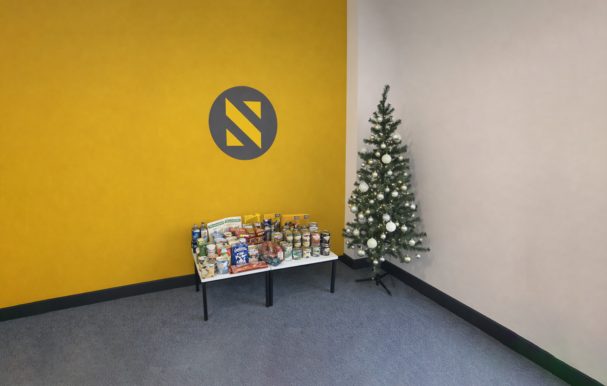
Supporting Our Local Community This Festive Season
18th Dec 2025Supporting Our Local Community This Festive Season At Now Storage, we believe that Christmas is a time for giving back. This festive season, we were proud to support Cheltenham Foodbank, a vital local charity providing emergency food and support to …
Read article Cheltenham
New Cheltenham Indoor Storage Facility
20th Aug 2025Our New Indoor Storage Facility in Cheltenham Looking for safe, secure, and flexible storage in Cheltenham? We’re delighted to announce the opening of Now Storage Cheltenham, a brand-new indoor self-storage facility conveniently located on Hayden Road, Uckington in Cheltenham. Situated …
Read article Cheltenham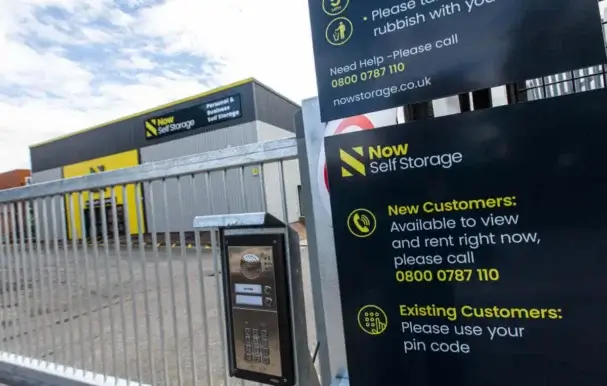
Our Cheltenham Facility Is Now Open!
16th Oct 2023Based in or around Cheltenham and need more space? Now Storage is here to help with a brand new self-storage facility! Now Self Storage is now available in Cheltenham. Located close to the town centre and Tewksbury Road, our Cheltenham …
Read article CheltenhamReviews
Your questions answered
In need of some assistance? Check out our FAQs or for free friendly advice.
Or you can find the phone number for your local storage facility here