How to Choose the Right Storage Unit Size in Cardiff
Moving house, clearing out a spare room, or scaling up your business stock all share one common challenge: where do you put everything? Choosing the right storage units size in Cardiff can mean the difference between paying for empty space you don’t need and cramming belongings into a unit that’s far too small. Get it wrong, and you’ll either waste money or struggle to access your items when you need them.

Assessing Your Storage Needs in Cardiff
Before browsing unit sizes, you need a clear picture of what you’re actually storing. This sounds obvious, but many people underestimate their belongings or forget items tucked away in cupboards and garages. A thorough assessment prevents both overspending on excess space and the frustration of a unit that’s too cramped.
Inventory Checklist for Home and Office
Start by walking through each room with a notepad or phone. List large items first: sofas, beds, wardrobes, desks, and appliances. These anchor your space requirements. Next, count boxes. A typical house move generates between 30 and 60 boxes, depending on how long you’ve lived there. Don’t forget awkward items like bicycles, garden furniture, or gym equipment.
For office storage, categorise by type. Filing cabinets and archive boxes stack efficiently. Desks and chairs require more floor space. IT equipment needs careful placement away from items that might shift. Creating categories helps you visualise how items might be arranged within a unit.
Using a Self Storage Calculator UK for Accuracy
Online self storage calculators offer a practical starting point. You input items from a dropdown menu, and the tool estimates your required space in square feet. While these calculators aren’t perfect, they provide a useful baseline. Most suggest adding 10-15% extra space for access aisles and future additions.
Remember that calculators assume efficient packing. If you’re storing irregularly shaped items or need frequent access to specific boxes, factor in additional room. A calculator might suggest 50 square feet, but practical use could require 75.
Visualising Common Unit Sizes
Numbers on paper mean little without context. Understanding what actually fits in different unit sizes helps you make a practical decision rather than an abstract one.
How Much Can Fit in a 50 sq ft Unit?
A 50 square foot unit typically measures roughly 5 feet by 10 feet. This accommodates the contents of a large bedroom or a studio flat. You could fit a sofa, a single bed, a wardrobe, and around 20 boxes. For students, this size comfortably holds furniture, books, and personal belongings during summer breaks.
This size works well for decluttering projects or storing seasonal items like garden furniture and Christmas decorations. At Now Storage Cardiff, units of this scale suit customers who need more than a locker but aren’t storing an entire household.
Medium Units: 75 sq ft to 125 sq ft
Medium units bridge the gap between compact storage and large-scale solutions. A 100 square foot unit, roughly 10 feet by 10 feet, holds the contents of a one or two-bedroom flat. Think a three-seater sofa, dining table with chairs, double bed, wardrobe, and 30-40 boxes.
These sizes suit homeowners during renovations or between property completions. They’re also popular with small businesses storing moderate stock levels, tools, or equipment. The extra space allows for organisation, with room to create aisles for accessing items at the back.
Large Scale Storage: 150 sq ft and Above
Units of 150 square feet and larger accommodate three-bedroom houses, significant business inventory, or bulky equipment. A 200 square foot unit can hold approximately 100 archive boxes alongside furniture and appliances.
Large units make sense for businesses with substantial stock, families storing entire household contents during extended relocations, or tradespeople with extensive tool collections. The Cardiff facility offers flexible sizing options, allowing customers to scale up or down as requirements change.
Comparing 10ft vs 20ft Container Dimensions
Container storage offers an alternative to traditional indoor units. Understanding the differences helps you decide which format suits your needs.
Internal vs External Measurements
External dimensions don’t tell the whole story. A standard 10ft shipping container measures approximately 10 feet long, 8 feet wide, and 8 feet tall externally. Internal dimensions shrink to roughly 9 feet 4 inches by 7 feet 8 inches by 7 feet 10 inches. This provides around 72 square feet of floor space.
A 20ft container doubles the length, offering approximately 150 square feet internally. These containers hold the contents of a three-bedroom house or significant commercial inventory. Always ask for internal measurements when comparing options.
Choosing Between Drive-up and Indoor Access
Drive-up access means parking directly outside your unit. This simplifies loading and unloading heavy items like furniture and appliances. You won’t need trolleys or lifts. For businesses moving stock regularly, drive-up access saves considerable time.
Indoor units offer better climate control and protection from weather extremes. They’re preferable for sensitive items like documents, electronics, or antique furniture. The Cardiff facility provides convenient drive-up access with practical loading areas, making the process straightforward for both personal and business customers.
Business Stock Storage Solutions in Wales
Welsh businesses increasingly rely on flexible storage to manage inventory without committing to expensive commercial leases. The right approach balances accessibility with cost efficiency.
Scaling Your Inventory Space
Seasonal fluctuations affect most retail businesses. Christmas stock arrives in autumn. Summer goods need storing through winter. Fixed warehouse space means paying year-round for capacity you only need periodically.
Flexible storage allows scaling. Start with a smaller unit during quiet periods and upgrade before peak seasons. This approach suits e-commerce businesses, market traders, and retailers with fluctuating stock levels. Now Storage Cardiff supports businesses requiring additional space for stock, tools, equipment, and documents, with the flexibility to adjust as circumstances change.
Document and Archive Management
Legal requirements mandate keeping certain business documents for years. Tax records, contracts, employee files, and correspondence accumulate quickly. Storing archives on-site consumes valuable office space.
Dedicated storage units keep documents organised, accessible, and secure. Archive boxes stack efficiently, maximising vertical space. A 50 square foot unit holds approximately 100 archive boxes. With access from early morning until late evening, businesses can retrieve documents without disrupting operations.
Understanding Secure Furniture Storage Costs
Storage costs vary based on several factors. Understanding these helps you budget accurately and identify potential savings.
Factors Influencing Cardiff Rental Rates
Unit size is the primary cost driver. Larger units cost more, though the price per square foot often decreases with size.
Promotional pricing occasionally reduces initial costs. Introductory discounts on the first weeks of rental help new customers get started.
Insurance and Security Requirements
Stored items need insurance cover. This protects belongings against unforeseen events while in the facility.
Security features justify their cost. 24-hour CCTV monitoring, individual unit locks, and controlled access protect your belongings. Our Cardiff facility provides individually secured units within a monitored environment, giving customers confidence their items remain safe.
Maximising Your Chosen Space
Once you’ve selected a unit size, smart packing maximises its capacity. Efficient use means you might manage with a smaller, cheaper unit than initially expected.
Vertical Packing Strategies
Floor space is limited. Height is often underutilised. Stack boxes to ceiling height where safe. Place heavier boxes at the bottom, lighter ones above. Uniform box sizes stack more efficiently than mixed dimensions.
Disassemble furniture where possible. Bed frames, tables, and shelving units occupy less space when broken down. Store mattresses vertically against walls. Lean headboards and mirrors against larger furniture pieces, protecting surfaces with blankets.
Accessibility and Aisle Planning
Packing everything tightly saves space but creates problems when you need specific items. Plan for access. Leave a central aisle if you’ll visit regularly. Place frequently needed items near the front.
Create a simple map or inventory list. Note which boxes contain what and where they’re located. This prevents unpacking half the unit to find a single document. Label boxes clearly on multiple sides so labels remain visible regardless of orientation.
Final Steps Before Booking Your Cardiff Unit
You’ve assessed your belongings, understood unit sizes, and considered access requirements. A few final checks ensure you make the right choice.
The Cardiff facility offers access from early morning until late evening, accommodating most routines.
Clarify insurance requirements and security features.
Choosing the right storage unit size in Cardiff comes down to honest assessment and practical planning. Measure what you have, understand what different sizes accommodate, and factor in how often you’ll need access. Whether you’re storing a few boxes or an entire household, the right unit exists.
Ready to find your ideal space? Get in touch with the Now Storage Cardiff team to discuss your requirements and receive guidance on selecting the perfect unit size for your situation.

Related news
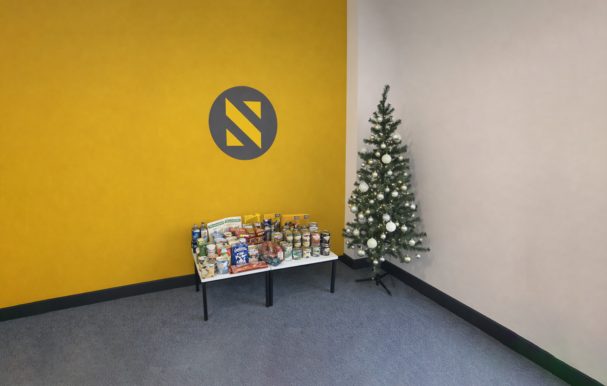
Supporting Our Local Community This Festive Season
18th Dec 2025Supporting Our Local Community This Festive Season At Now Storage, we believe that Christmas is a time for giving back. This festive season, we were proud to support Cheltenham Foodbank, a vital local charity providing emergency food and support to …
Read article Cheltenham
New Cheltenham Indoor Storage Facility
20th Aug 2025Our New Indoor Storage Facility in Cheltenham Looking for safe, secure, and flexible storage in Cheltenham? We’re delighted to announce the opening of Now Storage Cheltenham, a brand-new indoor self-storage facility conveniently located on Hayden Road, Uckington in Cheltenham. Situated …
Read article Cheltenham
Our Cheltenham Facility Is Now Open!
16th Oct 2023Based in or around Cheltenham and need more space? Now Storage is here to help with a brand new self-storage facility! Now Self Storage is now available in Cheltenham. Located close to the town centre and Tewksbury Road, our Cheltenham …
Read article CheltenhamReviews
Your questions answered
In need of some assistance? Check out our FAQs or for free friendly advice.
Or you can find the phone number for your local storage facility here