Time-Saving Storage Benefits for Swindon Tradesmen

Swindon workdays are full of short hops and tight turnarounds, quotes in Old Town, a first job in Dorcan, a visit in Stratton St Margaret, then back across to Walcot or the town centre. Parking can be tricky, and vans fill up fast. A dedicated storage unit gives tradespeople an advantage: a clean, dry, central base that keeps tools in better condition, vans lighter, and changeovers quick.
Below, we break down the practical benefits, what to keep in your unit, and a straightforward routine that fits the rhythm of working around Swindon.
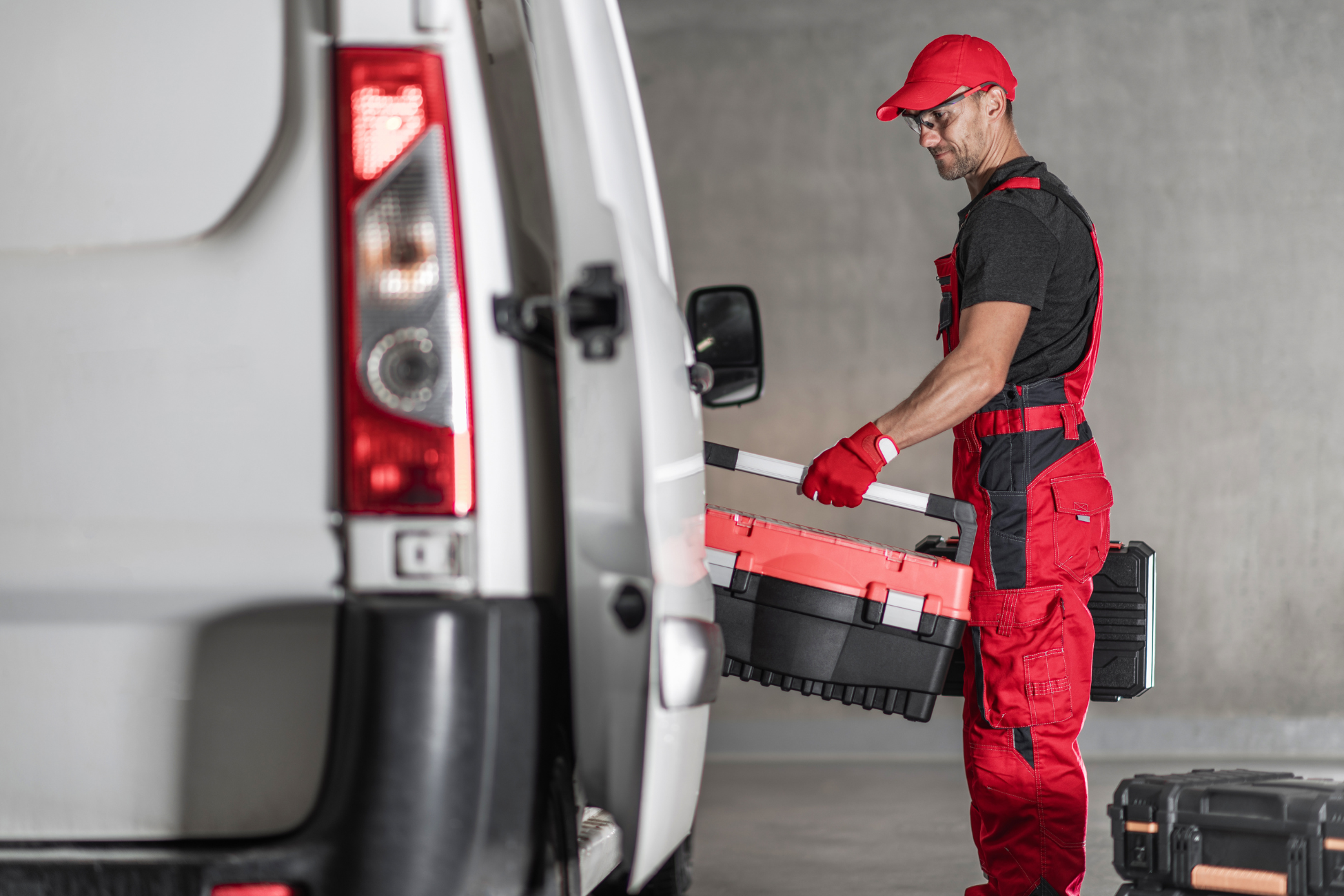
Why a Storage Unit Works for Busy Trades
Type of Items Being Stored
Care & control of your kit
Moving core gear into a unit between jobs reduces van clutter, weather exposure and knocks. You know exactly where everything belongs, and it’s ready when you are.
Faster changeovers
When cases and job crates are organised and ready, you spend less time rummaging and more time working. A quick stop at your unit lets you swap kits for the next task, ideal when you’re moving between jobs.
Longer tool life
Clean, dry storage cuts down on grime, moisture and incidental knocks. Tools returned to their cases and stored properly are ready to perform tomorrow, not just “good enough” for today.
Time savings between jobs
Label tool cases and job-specific crates clearly so you can swap sets quickly. Small habits add up to time savings.

What to Store
Power tools
SDS drills, impact drivers, grinders, laser levels, breakers, compact vacs/cleaners.
Tip: Keep items in their original cases or sturdy toolboxes. Label each by task, so the right set leaves with you.
Hand tools & specialist sets
Press jaws and crimpers, electrical testers, carpentry/joinery sets, decorators’ sprayers/tips.
Tip: Shallow totes or drawer-style toolboxes stack neatly and let you see everything at a glance.
Fixings & consumables
Screws, plugs, adhesives, tapes, blades, PPE, and sealants.
Tip: Use clear, stackable boxes with dividers and group by trade or job phase “prep,” “fix,” “finish.” Restocking becomes a quick visual check.
Short-term materials
Trim and skirting, boxed tiles, sealed paint tins, small timber lengths, sheet offcuts.
Tip: Keep everything boxed or in protective sleeves. Where possible, pack flat rather than leaning heavy items against walls, this way loading is easier.
Access & protection items
Dust sheets, floor protection rolls, cones/barriers, toolbox trolleys.
Tip: Roll textiles and store them in lidded tubs to keep them clean, dry and easy to lift.
Presentation & quoting aids
Samples, small mock-ups, brochures, simple signage you bring to quotes.
Tip: A rigid portfolio or document box prevents creasing and looks professional when you meet clients.
Paperwork & manuals
Job sheets, warranties, user manuals, quick reference guides.
Tip: A lidded A4/A3 box or portable file can live in the unit and ride with you on days when you need it.

Get Organised Fast
Step 1: Fit the Unit to Your Gear
Choose a unit sized to your needs with a clear aisle for access. When in doubt, opt for a little extra room so you can reach gear without constant reshuffling.
Step 2: Standardise your containers
Use stackable crates and original tool cases across your team. Consistency matters: when every case looks and is labelled the same way, anyone can grab the right kit fast.
Step 3: Write a one-page routine
List the morning pick and evening reset steps and stick it on your clipboard or inside a crate lid. Keep it short, clear and the same for everyone.
Power Your Workday with a Storage Unit
A dedicated unit gives your team an organised base, tools stay in better condition, vans run lighter, and changeovers take less time. With clear labels, consistent containers, and a simple daily routine, you’ll spend more of the day on the job—not sorting gear.
Ready to streamline your day? Check unit availability with Now Storage today.

Related news

Supporting Our Local Community This Festive Season
18th Dec 2025Supporting Our Local Community This Festive Season At Now Storage, we believe that Christmas is a time for giving back. This festive season, we were proud to support Cheltenham Foodbank, a vital local charity providing emergency food and support to …
Read article Cheltenham
New Cheltenham Indoor Storage Facility
20th Aug 2025Our New Indoor Storage Facility in Cheltenham Looking for safe, secure, and flexible storage in Cheltenham? We’re delighted to announce the opening of Now Storage Cheltenham, a brand-new indoor self-storage facility conveniently located on Hayden Road, Uckington in Cheltenham. Situated …
Read article Cheltenham
Our Cheltenham Facility Is Now Open!
16th Oct 2023Based in or around Cheltenham and need more space? Now Storage is here to help with a brand new self-storage facility! Now Self Storage is now available in Cheltenham. Located close to the town centre and Tewksbury Road, our Cheltenham …
Read article CheltenhamReviews
Your questions answered
In need of some assistance? Check out our FAQs or for free friendly advice.
Or you can find the phone number for your local storage facility here